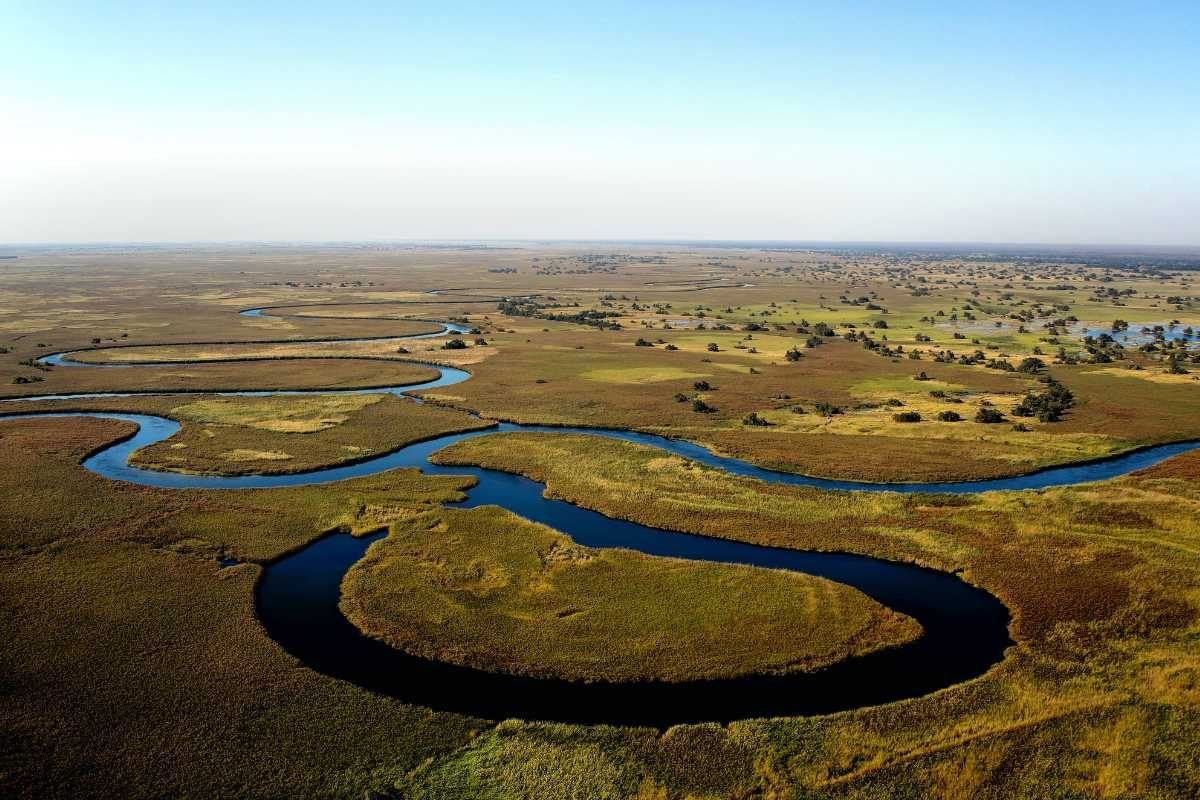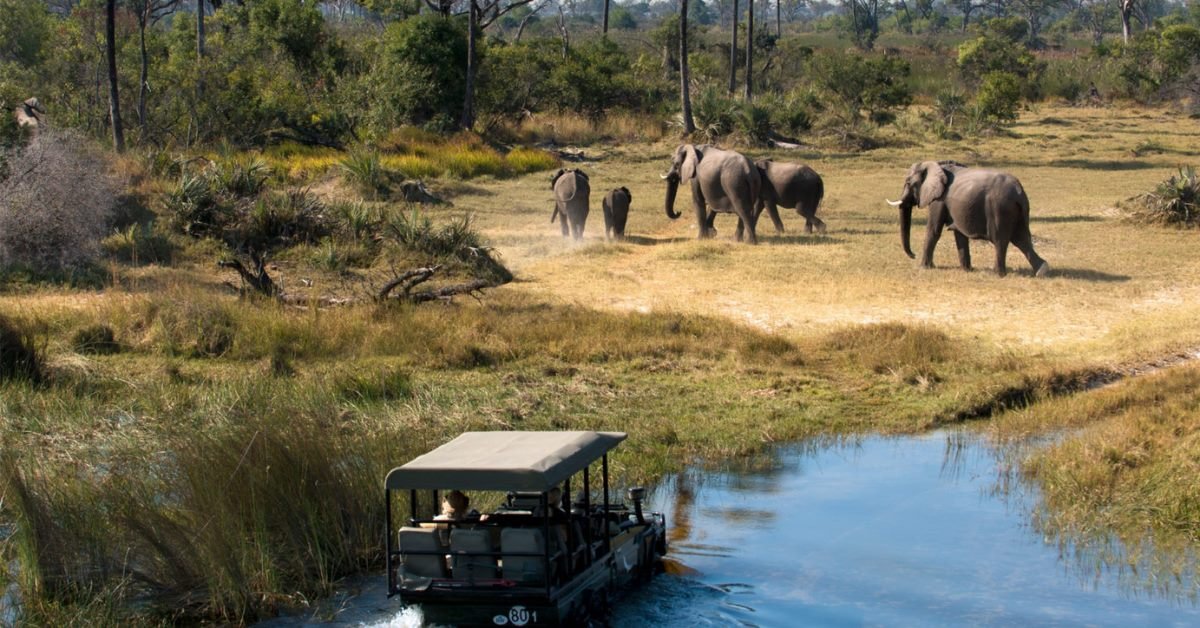
Quick answer: Yes, worth it. Chobe National Park holds one of the largest elephant concentrations in Africa, combines river cruises with game drives in one trip, and sits roughly 80km — about 1.5-2 hours including the border crossing — from Victoria Falls. A single day trip is a genuinely strong introduction; 2-3 nights via our 3-Day Chobe Camping Safari lets you see considerably more.
On This Page
Where Is It, And How Far Is The Drive
Chobe National Park sits in northern Botswana, bordering the Chobe River near the town of Kasane — close to the point where Botswana, Zambia, Zimbabwe and Namibia nearly meet. From Victoria Falls, it's roughly 80km, which in practice means about 1.5 to 2 hours including the Kazungula border crossing. That's short enough to do as a single day trip and come back to your Victoria Falls accommodation the same evening, which is exactly how most first-time visitors experience it.
What You'll Actually See
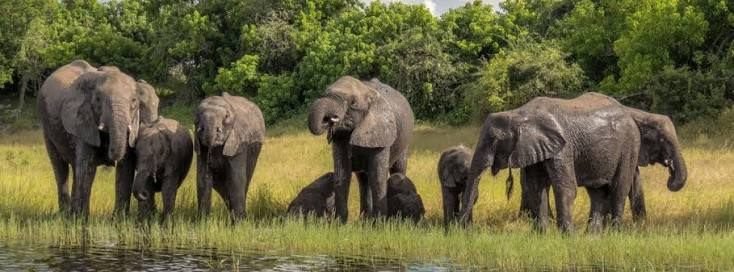
Elephants are Chobe's headline act, and the park doesn't undersell it — herds gathering in their hundreds along the riverbank during dry season is a genuinely common sight here, not a lucky one. Beyond elephants, expect hippos and crocodiles in the water itself, buffalo herds that can rival the elephants for sheer numbers, giraffe, a long list of antelope species, and solid odds of lion, especially if you're staying multiple nights and getting out for early-morning drives.
What makes Chobe distinctive is doing a river cruise and a game drive in the same visit — animals you watched from a vehicle in the morning, you'll often see again from the water in the afternoon, just from a completely different angle. Our full-day Chobe trip is built around exactly that combination.
Day Trip Or Multi-Day Stay?
A single day trip genuinely delivers — it's not a compromise version of Chobe, it's just a shorter one. You'll get a river cruise, a game drive, and very likely the elephant encounter the park is known for, all in one day without changing accommodation. That said, staying 2-3 nights via our 3-Day Chobe Camping Safari or Chobe Botswana Safari Explorer opens up areas of the park further from the river, and adds the early-morning and late-afternoon drives when predator activity tends to be highest.
Best Time To Visit
July through September — Chobe's dry season — is the strongest window. As water sources elsewhere in the park dry up, wildlife funnels toward the Chobe River, concentrating sightings in a way the wetter months simply don't match. It's also the most comfortable season weather-wise for both the boat cruise and the game drive.
Not sure whether a day trip or a multi-night stay fits your itinerary better? Send us your dates and group size, and we'll recommend the right version — we're not going to upsell you into three nights you don't need.
Frequently Asked Questions
Related Topics