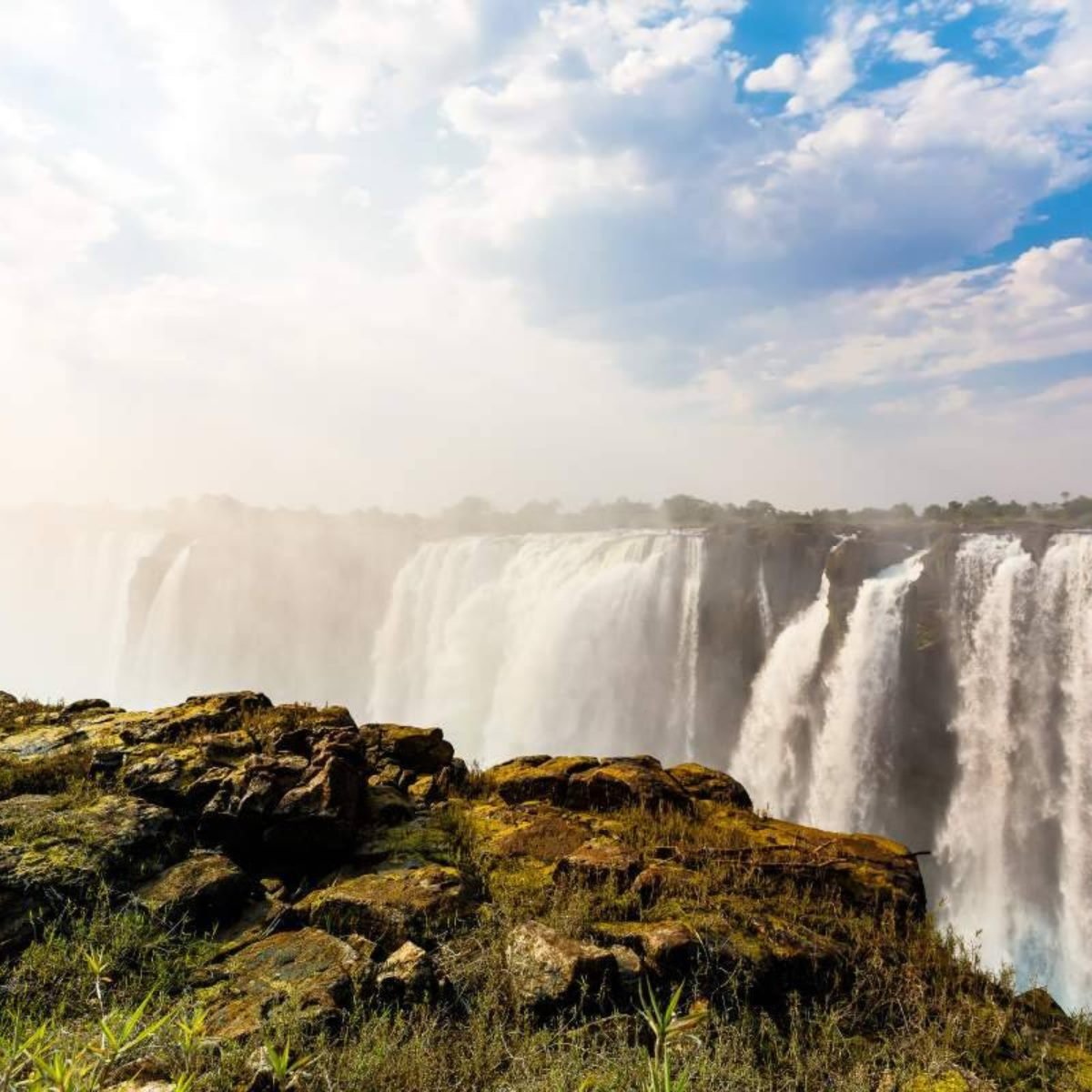
Quick answer: Chobe National Park is the easiest, most affordable way into a Botswana safari — try our Full Day Chobe Trip or 3-Day Chobe Camping Safari. With five or more days, combine Chobe with the Okavango Delta on our Victoria Falls, Chobe & Okavango Safari. July–September is peak dry season for wildlife; May, June and October offer better value. Not sure what fits? Use Build My Own Trip and we’ll match you to a route.
On This Page
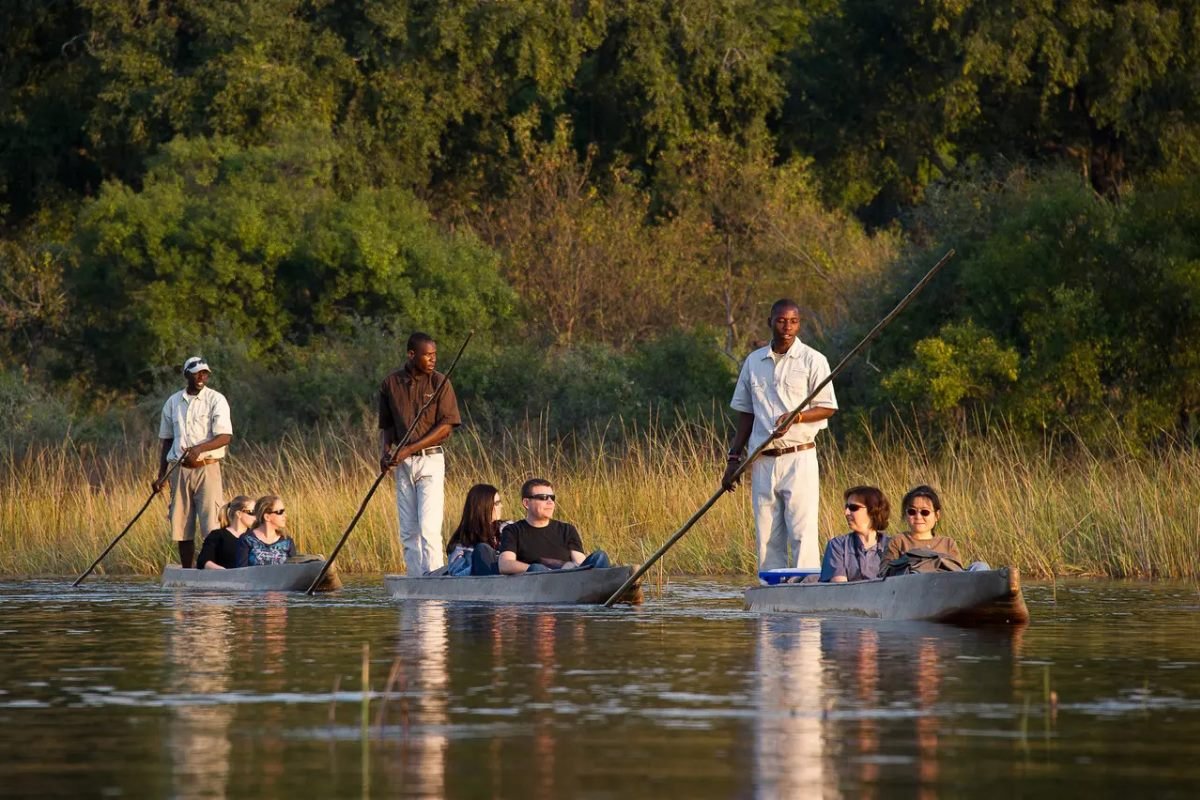
Botswana packs several genuinely different landscapes into one country. You can glide through reed-lined channels by mokoro canoe in the morning, watch elephants gather at a riverbank in the afternoon, and stand under an enormous sky by sunset. That variety is why Botswana safari packages feel less like one holiday and more like several excellent trips stitched together — and why it’s worth comparing your options properly before you book.
What Makes Botswana Safari Packages Special?
Most Botswana itineraries are built around two very different wilderness areas, and understanding the difference between them is the first real decision you’ll make.
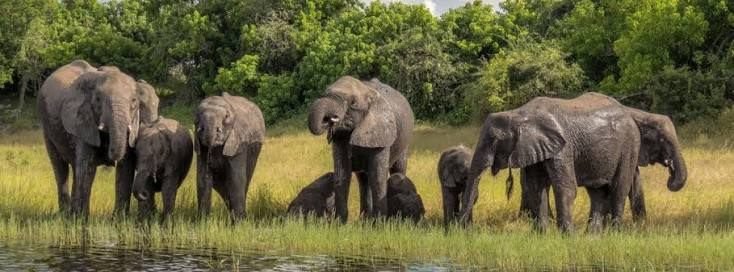
Chobe National Park: dense wildlife, easy access from Victoria Falls
Chobe is famous for its elephant and buffalo herds, especially along the Chobe River. A river cruise changes the angle completely — instead of searching from a dusty track, you watch animals come to the water while crocodiles and birdlife go about their day nearby. Our Full Day Chobe Trip combines a river cruise with a 4x4 game drive, border transfers, park fees and lunch, and works well as a day trip from Victoria Falls when your calendar is short.
The Okavango Delta: mokoro channels and a slower pace
The Okavango Delta is a seasonal flood plain inside the Kalahari, explored by mokoro canoe, boat or vehicle depending on water levels. It rewards stillness — reeds whisper, dragonflies flash past, and a sudden hippo snort can make a peaceful canoe ride feel a little less peaceful. Reaching it properly needs an overnight stay, which is why it usually features in our longer packages such as the 9-Day Victoria Falls To Okavango Delta.
Combining both areas on one trip — our Victoria Falls, Chobe & Okavango Safari is built exactly for this — gives you two distinct northern Botswana experiences instead of one long repeat of the same game drive.
How To Spot A Genuine Botswana Safari Deal
A deal isn’t necessarily the cheapest number on a page. It’s the price that gets you the trip you actually want, without a parade of surprise charges afterward. Read past “from” pricing and ask what’s actually included — transfers, park and conservation fees, meals, guides, and activities can all change the real cost significantly.
Before you book anything, get clear answers to these:
- Which transfers are included, and on which days?
- Are park, conservation and border fees already covered?
- Which meals, drinks and game drives are part of the itinerary versus optional extras?
- Is the accommodation category confirmed, or just an example?
Every package on this site lists exactly what’s included on its own page, so you can compare like with like — see our full Botswana safari packages listing to browse real, priced itineraries.
Choosing The Best Time For Your Botswana Safari
Botswana has no single perfect month for every traveler. Water levels, wildlife movement, heat and camp rates all shift through the year, so the best dates depend on what you most want to see.
High season (July–September): prime wildlife, premium pricing
Dry conditions push wildlife toward dependable water sources, and thinner vegetation makes sightings easier. It’s the most popular window, so book early if you want a specific camp or a tightly connected route — and budget for the premium.
Green season (November–March): fewer crowds, lower rates
Fresh growth, dramatic skies and strong birdlife define the wetter months. Some accommodation offers lower rates than during peak dry season, though rain can occasionally affect roads and transfers.
Shoulder season (May, June, October): the value trade-off
May and June often bring clear conditions and appealing prices, though mornings can be cool. October can be hot, but shrinking water sources concentrate animals further, which can mean excellent sightings if you don’t mind the heat.
Building A Botswana Itinerary That Fits Your Trip
A strong itinerary has a rhythm — travel days, wildlife days, water-based experiences, and enough breathing room for the bush to surprise you. Packing every famous place into one route usually means seeing more airports than elephants.
Chobe alone, or Chobe plus the Delta?
If you have one to three days, a focused Chobe trip like our 3-Day Chobe Camping Safari or Chobe Botswana Safari Explorer makes the most of your time. With five days or more, add the Okavango Delta — our Victoria Falls, Chobe & Okavango Safari and 9-Day Victoria Falls To Okavango Delta both combine the two properly rather than rushing between them.
Adding Victoria Falls
Kasane and Chobe sit a short transfer from Victoria Falls, which is why most of our Botswana packages start or end there. It’s a natural way to pair quiet time in the bush with the drama of the Falls — see our full Victoria Falls safari options if you want to build that in.
Understanding Botswana Safari Costs
Botswana sits toward the higher end of safari pricing, partly because many camps operate in remote, low-density wilderness. Getting guides, vehicles and supplies into those areas costs money — the reward is space, privacy and wildlife viewing that doesn’t feel arranged around a queue of vehicles.
| Cost area | What to ask | Why it matters |
|---|---|---|
| Accommodation | What room or tent category is confirmed? | Categories differ sharply in comfort and location. |
| Transport | Are transfers, border crossings and any flights included? | Remote camps may need more than one connection. |
| Activities | Are game drives, cruises and mokoro trips scheduled or optional? | Included experiences shape the real value. |
| Fees | Are park, conservation and border charges covered? | These can materially change the final total. |
| Meals | Which meals and drinks are included? | “Full board” doesn’t always mean every drink. |
As a rough guide: budget camping safaris start from around $250–$350 per person per day including meals, park fees and a guide — see our 3-Day Chobe Camping Safari (from $858pp). Mid-range lodge trips typically run $350–$600 per day. Luxury Delta fly-in camps start from around $600–$1,200+ per day once charter flights are included.
Picking The Right Package For Your Travel Style
There’s no universal best safari, only a safari that suits your pace, companions and appetite for dust. Your travel style should shape the package before the package shapes your holiday.
Camping, shared activities, roughly $250–$350pp/day. See the 3-Day Chobe Camping Safari.
Comfortable lodges, private game drives, roughly $350–$600/day. See the Chobe Botswana Safari Explorer.
Delta fly-in camps, private guiding, from $600–$1,200+/day. See the Ultimate Southern Africa Safari.
Fixed packages or a tailor-made itinerary?
Our published packages are a fast, transparent starting point with real prices and inclusions. If your dates, group size or interests don’t match one exactly, use Build My Own Trip or send us your details through the quote form — we build a route around you at no extra cost to ask.
Preparing For A Smooth Botswana Safari
The best preparation is practical rather than glamorous. You’ll spend plenty of time outdoors in dust, heat or sudden rain, so a little forethought means more attention for the wildlife in front of you.
- Pack light, breathable layers for warm days and a fleece or jacket for cool early drives — neutral colors and sturdy shoes work best.
- Check passport validity, visas and travel insurance well before departure, and keep medication in your hand luggage.
- Listen to your guide near wildlife — keep voices low, avoid sudden movements, and let the guide manage the moment. Patience is the real safari superpower.
Have more questions before you commit? Our full FAQ page covers booking, payment and travel logistics in more detail.
Frequently Asked Questions
Related Topics